Looking for a mountain community that offers more than just pretty views? Big Canoe stands out because it blends natural beauty, year-round amenities, and a wide range of homes in one gated residential setting. If you are wondering what daily life really feels like here, this guide will walk you through the lifestyle, amenities, and housing options that make Big Canoe such a distinctive place to live or own a second home. Let’s dive in.
Big Canoe at a Glance
Big Canoe is a gated private residential mountain community in the foothills of the Blue Ridge Mountains, about an hour north of Atlanta. It spans more than 8,000 acres and is often associated with Pickens County near Marble Hill, though the community also extends into Dawson County.
That detail matters if you are researching the area closely. Big Canoe is best understood as a large, planned mountain community rather than a typical subdivision, with homes and neighborhoods shaped around the land’s ridges, valleys, woods, and water.
A Community Built Around Nature
Big Canoe began in 1972 with a preservation-focused vision, and that foundation still shapes the community today. Instead of a conventional neighborhood layout, homesites are fitted into the mountain landscape in a way that keeps the natural setting front and center.
For you as a buyer, that often means the setting is part of the appeal. Views, privacy, wooded lots, water access, and proximity to trails or golf can all play a major role in how one property feels compared to another.
Big Canoe Amenities
Lakes and Water Recreation
One of Big Canoe’s biggest lifestyle draws is its three-lake setup. Each lake serves a different purpose, which gives the community a wider range of experiences than you might expect.
Lake Petit is the largest at 111 acres and supports boating, fishing, and marina rentals. Lake Sconti is known as a quieter fishing lake, while Lake Disharoon is the main recreation and swimming lake.
The Beach Club at Lake Disharoon adds a strong summer lifestyle element with a sandy beach, a zero-entry saline pool, paddlecraft, certified lifeguards, and a 200-foot rock slide. Over at Lake Petit, the marina offers boat rentals, and only electric-powered vessels are allowed on Big Canoe’s lakes.
Golf, Tennis, and Pickleball
Golf is a major part of life in Big Canoe. The community’s Mountain Course is a 27-hole championship layout made up of the Creek, Choctaw, and Cherokee nine-hole courses.
The golf experience also includes a pro shop, practice greens, and a driving range. The Sconti Clubhouse overlooks Lake Sconti and the Creek Course, giving the golf side of the community a scenic mountain-and-lake backdrop.
If racquet sports are more your speed, Big Canoe also offers tennis and pickleball. Residents and guests can take part in lessons, clinics, leagues, and year-round play.
Trails and Outdoor Living
For many buyers, the trail system is one of the most compelling reasons to consider Big Canoe. Official community information says there are more than 20 miles of trails, with routes that move through meadows, creek valleys, shoreline areas, and wooded terrain.
Nature Valley Park includes more than seven miles of hiking and 4x4 paths. Other trail areas include Indian Rocks and Playfield trails near Lake Petit, Wildcat Park and McDaniel Meadows, Waterford trails, and the 1.6-mile Upper Jeep Trail.
Big Canoe is also registered as an Atlanta Audubon Society wildlife sanctuary. That adds another layer to the experience if you are drawn to a mountain setting where nature is not just a backdrop, but part of everyday life.
Wellness and Social Life
Big Canoe offers more than outdoor recreation. The community also supports a full, year-round lifestyle through wellness amenities, dining, and a strong social calendar.
The Wellness Center is a 13,000-square-foot facility with a heated lap pool, whirlpool, sauna, racquetball and squash court, massage therapy, personal trainers, indoor tennis access, and group classes. For many residents, that helps make the community workable as a full-time home, not just a weekend escape.
Socially, residents have access to many clubs and organizations, along with live music and events throughout the year. Dining options inside the gate include the Clubhouse with Mountains Grill and Duffer’s, with additional restaurants and shopping available nearby.
What Daily Life Feels Like
One of the most useful things to know about Big Canoe is that it is not only a getaway community. It is designed for both full-time residents and second-home owners.
Official community information says roughly 60% of residents live there full-time, and many commute to Atlanta. At the same time, the community is also positioned for weekend stays, summer vacations, fall retreats, and holiday use.
That mix gives Big Canoe a different feel from communities that are almost entirely seasonal. Depending on where you buy and how you plan to use the property, you may find a more settled residential rhythm or more of a lock-and-leave second-home lifestyle.
Big Canoe for Families and Guests
Big Canoe can also work well for households looking for a community with activities across age groups. Community information notes that local schools pick up at the North Gate, and students attend either Dawson County or Pickens County public schools.
The community also highlights youth golf and tennis lessons, camps, Kids Corner activities, and holiday events. That helps explain why Big Canoe appeals to a broad mix of residents, from retirees and second-home owners to full-time families.
Another practical point is amenity access. Owners, owners’ guests, and rental guests can use the amenities, which can be especially relevant if you are thinking about how friends or family will enjoy the property with you.
Big Canoe Homes
A Wide Range of Property Types
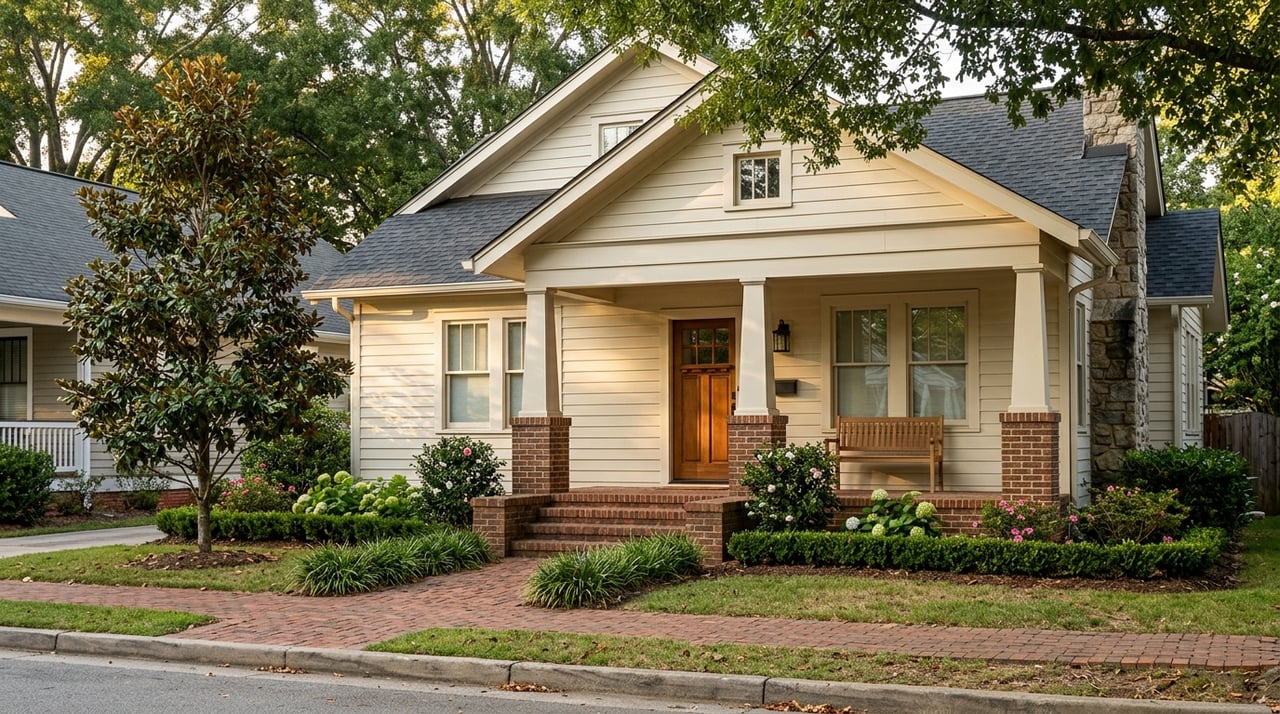
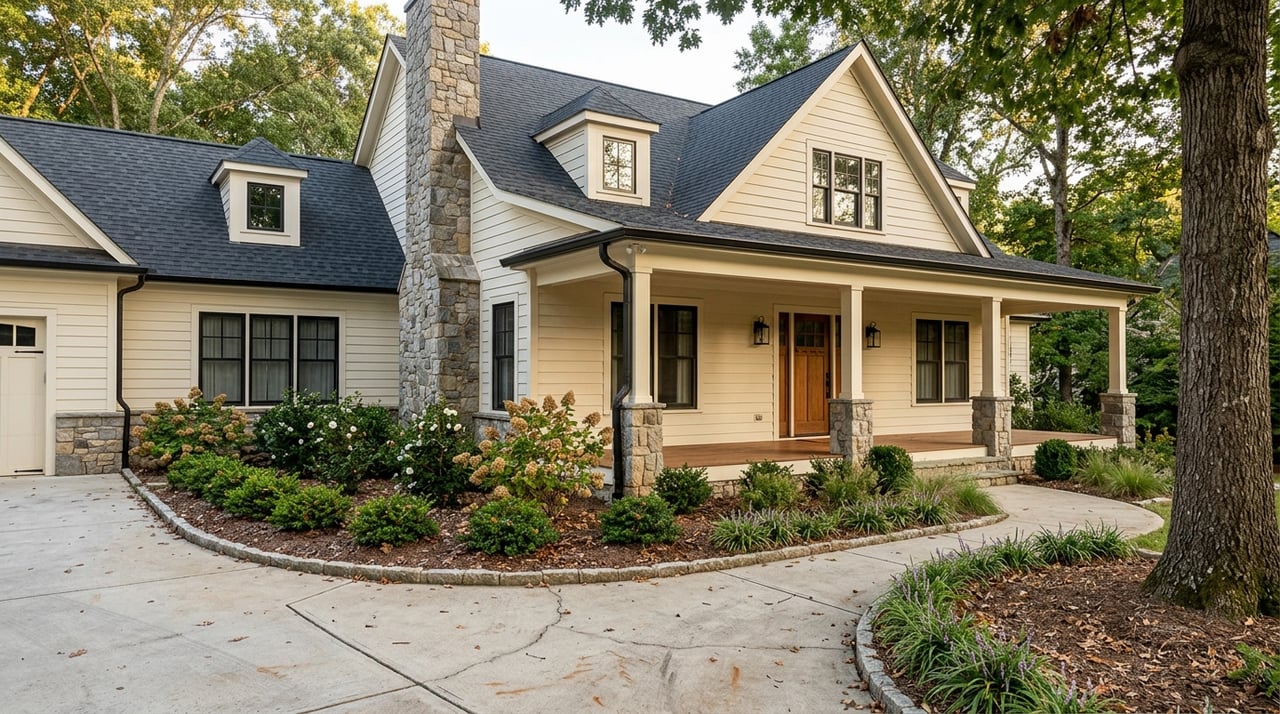
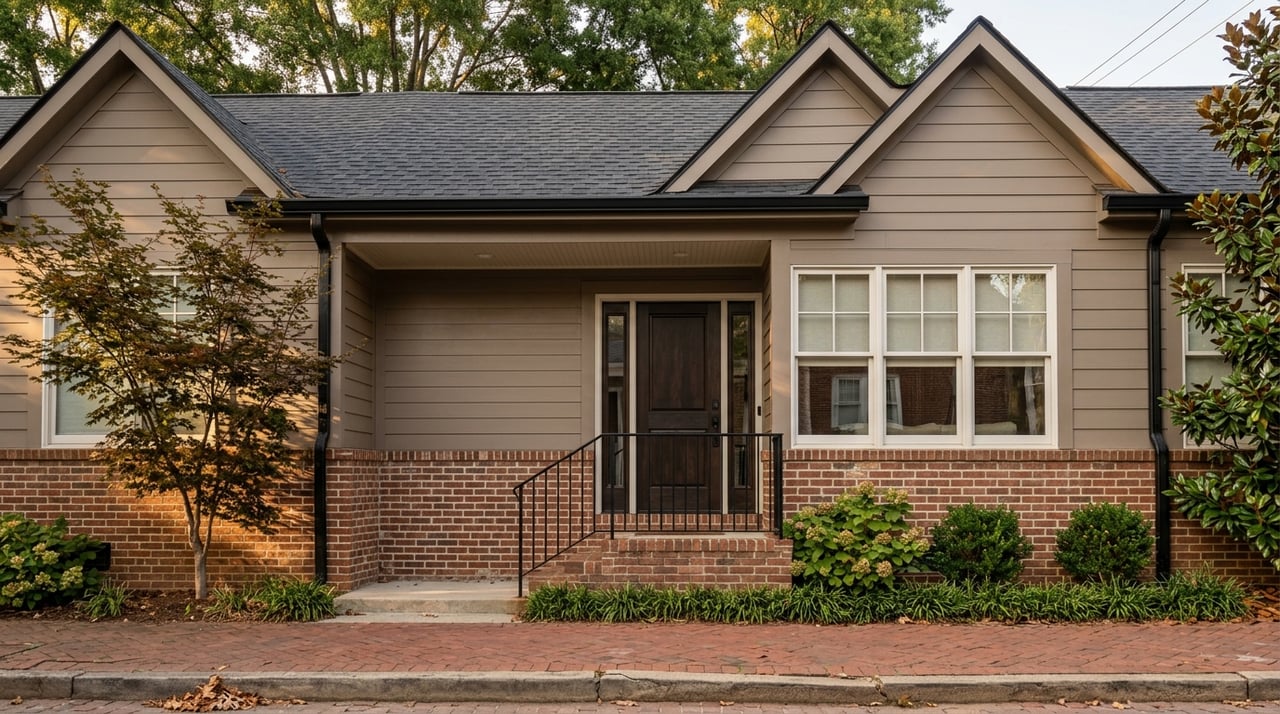
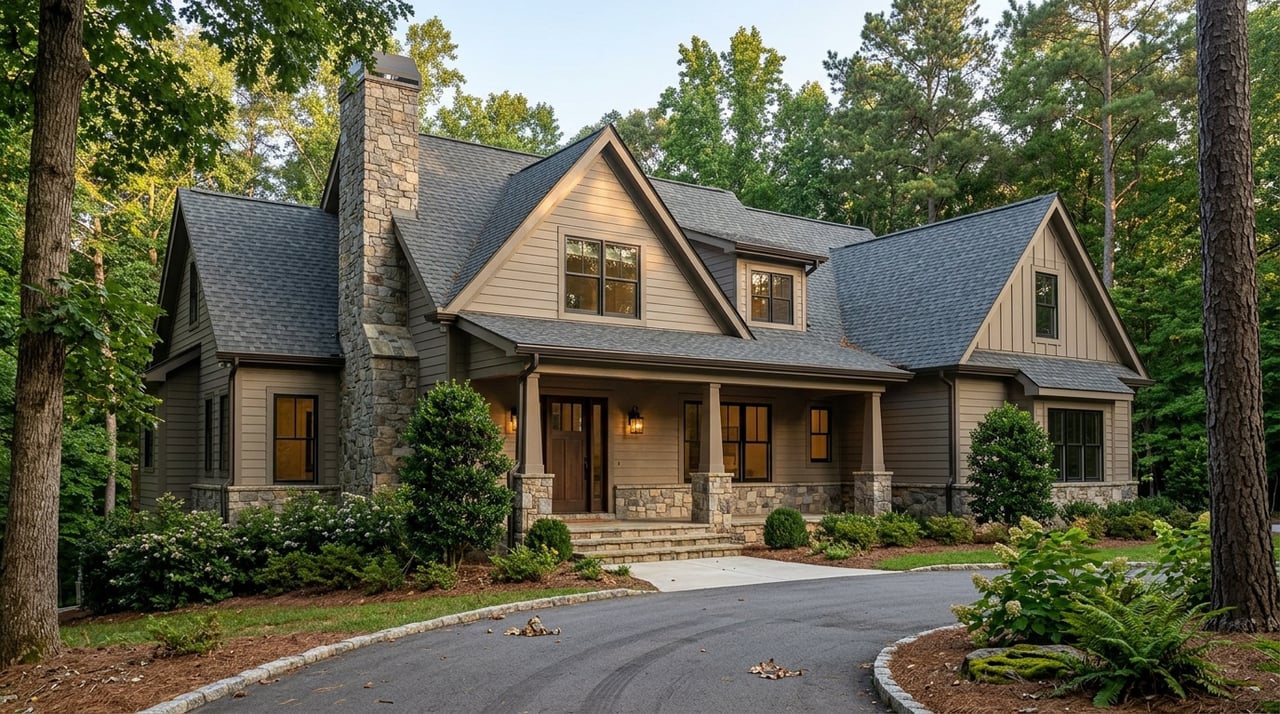
Big Canoe offers more variety than many buyers expect from a mountain community. Housing options include mountain cottages, southern cottages, custom homes, condominiums, and homesites for new construction.
That range is one reason Big Canoe attracts different types of buyers. You might be looking for a lower-maintenance condo, a golf-side villa, a custom home with privacy, or land to build around your own vision.
How Homes Are Shaped by Setting
In Big Canoe, the setting often matters as much as the square footage. Official community materials emphasize large windows, outdoor living spaces, meadow views, private lots, and golf-oriented locations.
From a lifestyle standpoint, that means two homes with similar size or price can offer very different living experiences. One may be focused on long-range mountain views, while another may feel more connected to the lake, golf, trails, or a quieter wooded setting.
Neighborhoods Feel Different
Big Canoe is not a one-style-fits-all community. Neighborhood character varies widely, and the POA’s architectural and environmental standards make it clear that both neighborhood definitions and lot-specific rules matter.
The community includes single-family areas such as The Bluffs, Mountainside, Mountaintop, Legacy, Woodland, Waterford, and Wildcat. It also includes cluster housing like attached townhouses and condominiums, with examples such as Chestnut Rise Condos, Disharoon Ridge Condos, Golf Club Villas, Lake Watch, and Choctaw Village.
For you as a buyer, that means it is important to evaluate not just the home, but also the section of Big Canoe where it sits. A condo near the lake, a villa near golf, and a ridge-top custom home may all offer a very different version of Big Canoe living.
What Buyers Should Keep in Mind
If you are seriously considering Big Canoe, it helps to look beyond listing photos and ask deeper questions about fit. In a community like this, lifestyle details can shape your satisfaction as much as the home itself.
A few things worth comparing include:
- Distance to gates and key amenities
- Lake, golf, trail, or wooded setting
- Condo, villa, cottage, or custom-home maintenance needs
- Neighborhood-specific architectural rules
- Whether you want a full-time home, a second home, or a flexible retreat property
Exterior changes and new construction are regulated through the POA’s architectural and environmental control standards. That makes due diligence especially important if you are planning renovations, updates, or a future build.
Why Big Canoe Appeals to So Many Buyers
Big Canoe has broad appeal because it offers more than one version of mountain living. You can find outdoor recreation, social connection, wellness amenities, and a range of housing types, all within a gated residential community about an hour from Atlanta.
For some buyers, the draw is golf and lake access. For others, it is the trail system, the gated setting, the chance to own a second home, or the ability to live full-time in a community where nature and amenities work together.
If you are trying to decide whether Big Canoe matches the life you want to build, it helps to look at the whole picture. In a community this varied, the best fit usually comes from matching your daily habits, priorities, and property goals to the right area and home style.
If you are exploring Big Canoe or comparing it to other North Georgia mountain communities, Janice Rountree can help you evaluate not just the property, but the lifestyle behind it.
FAQs
Is Big Canoe in Pickens County only?
- No. Big Canoe is often associated with Pickens County near Marble Hill, but the community extends into both Pickens and Dawson counties.
Is Big Canoe a gated community?
- Yes. Big Canoe is a gated private residential community with controlled access.
Can you live in Big Canoe full-time?
- Yes. Big Canoe is a year-round community, and official information says roughly 60% of residents live there full-time.
Who can use Big Canoe amenities?
- Amenity access is generally limited to owners, owners’ guests, and rental guests.
What types of homes are in Big Canoe?
- Big Canoe includes custom homes, mountain cottages, southern cottages, condominiums, cluster housing, and homesites for new construction.
Are building changes regulated in Big Canoe?
- Yes. New construction and exterior changes are governed by the POA’s architectural and environmental control standards, including neighborhood-specific rules.