If you want a neighborhood where coffee, dinner, concerts, trails, and weekend errands can all fit into the same small radius, Downtown Woodstock stands out. For many buyers, that kind of daily ease matters just as much as square footage or finishes. When you understand how the walkable core really works, you can decide whether this lifestyle fits the way you want to live. Let’s dive in.
What daily life feels like
Downtown Woodstock is built around a compact, walkable core instead of a spread-out commercial strip. According to Visit Woodstock, the area is walkable and bike-accessible, which shapes how many people experience the district day to day. You can move from a coffee stop to dinner, a gallery, or an event without constantly getting back in the car.
That said, walkability here comes with a practical tradeoff. There is no public transportation in downtown Woodstock, though ride-share is available. If you want a place where you can walk often but still keep a car for some trips, this setup may feel like a strong balance.
When you do drive, downtown parking is still part of the plan. Official city visitor information notes public lots throughout downtown, along with a parking deck across from the amphitheater. That matters because a walkable area only feels convenient if getting in and out stays manageable.
Dining and shopping close to home
One of the biggest draws of Downtown Woodstock is how much variety sits within a small footprint. Official tourism materials say there are more than 20 restaurants, two award-winning breweries, and multiple live music venues within a one-mile radius. In everyday terms, that means your weeknight options can feel very different from your weekend favorites.
The dining mix is broad, not one-note. Local visitor materials highlight everything from coffee and brunch to tacos, sushi, seafood, wine bars, dessert spots, taprooms, and bakery or tea options. Places named in official materials include Bizarre Coffee, Ipp’s Pastaria & Bar, Prime 120, Pure Taqueria, Reel Seafood, Pie Bar, Reformation Brewery, and Truck & Tap.
Shopping also adds to the rhythm of daily life. Visitor materials point to boutiques, a book shop, floral shops, home décor, olive oils, and specialty retail in the district. If you enjoy browsing local storefronts instead of relying only on big-box errands, downtown offers that more personal main-street feel.
Arts and public spaces shape the vibe
Downtown Woodstock is not only about restaurants and retail. Woodstock Arts has been part of the district since 2002, offering theater, visual arts exhibitions, concerts, classes, and camps. That gives the area a stronger cultural layer than you might expect from a suburban downtown.
The Reeves House Visual Arts Center adds another dimension to everyday life in the core. It functions as a gallery and education space, and it also includes a coffee and wine bar. For buyers who value places that feel active beyond shopping and dining, that mix can be a meaningful part of the lifestyle.
Public art is also part of the experience of moving through downtown. Visit Woodstock describes the city as an open-air gallery, with murals and sculptures around Main Street, Oak Street, the City Center East Parking Deck, and the Woodstock Arts Event Green. Even a short walk can feel more interesting when art is built into the streetscape.
Trails, parks, and dog-friendly living
A walkable downtown can feel even more livable when it connects easily to outdoor space. Visitor materials for Woodstock highlight Noonday Creek Trail, Olde Rope Mill Park, Rubes Creek Trail, and Woofstock Dog Park as part of the city experience. That gives residents access to more than just sidewalks and storefronts.
For pet owners, downtown has another practical plus. Visit Woodstock states that Main Street businesses are dog-friendly, and leashed dogs are welcome along Main Street. Woofstock Dog Park also connects to the Noonday Creek and Towne Lake Pass trailheads, which adds flexibility if outdoor time with your dog is part of your routine.
This outdoor access helps balance the energy of the core. You can enjoy a more active downtown setting while still having parks and trails nearby when you want fresh air and a quieter pace. For many buyers, that combination is what makes the area feel usable every day, not just fun on Saturday night.
Events keep downtown active year-round
Some downtowns look lively on paper but feel quiet most of the year. Downtown Woodstock is different because recurring events are built into the calendar across multiple seasons. That steady rhythm helps explain why the area often feels active beyond the restaurant scene.
Official annual events include the Downtown Crawl Series, Valentine Bingo, Sip + Shop, the Farm Fresh Market, Walking Tour Series, Woodstock Summer Concert Series, Family Fun Night Series, Taste of Woodstock, Scarecrow Invasion, Ghouls Night Out, and Holiday Tour of Homes. These are not one-off attractions. They are part of how the district stays engaged with locals and visitors throughout the year.
The Farm Fresh Market runs every Saturday from spring through December at Market Street and Reformation Brewery’s Backyard. Guided walking tours take place on the last Thursday of the month from April through October. The Summer Concert Series, which has been running since 1998, uses the downtown amphitheater and includes food vendors, beverages, free shuttles, and downtown parking.
Who this lifestyle fits best
Downtown Woodstock tends to appeal to buyers who want convenience, activity, and variety close at hand. If your ideal day includes grabbing coffee, meeting friends for dinner, walking to an event, browsing local shops, or heading to a nearby trail, the core checks many of those boxes. It supports a lifestyle where experiences are part of your routine, not a special trip across town.
It can also be a strong fit if you are comfortable using your car only when needed rather than for every small outing. Since there is no public transit, the area is not built for a fully transit-based lifestyle. Instead, it works well for people who value walkability and bike access while still planning to drive sometimes.
It may be a weaker match if you want a very quiet street pattern or minimal activity nearby. Downtown living usually means more foot traffic, more events, and more energy. For some buyers, that is exactly the point.
What homes near downtown may look like
The city’s zoning offers useful clues about the housing mix around the downtown area. City zoning labels include districts such as DT-CBD for central business district parcels that permit retail, office, and residential uses in mixed-use buildings, along with DT-CMU, DT-RO, DT-MR, and RTH townhome residential. As you move outward, additional residential districts appear as well.
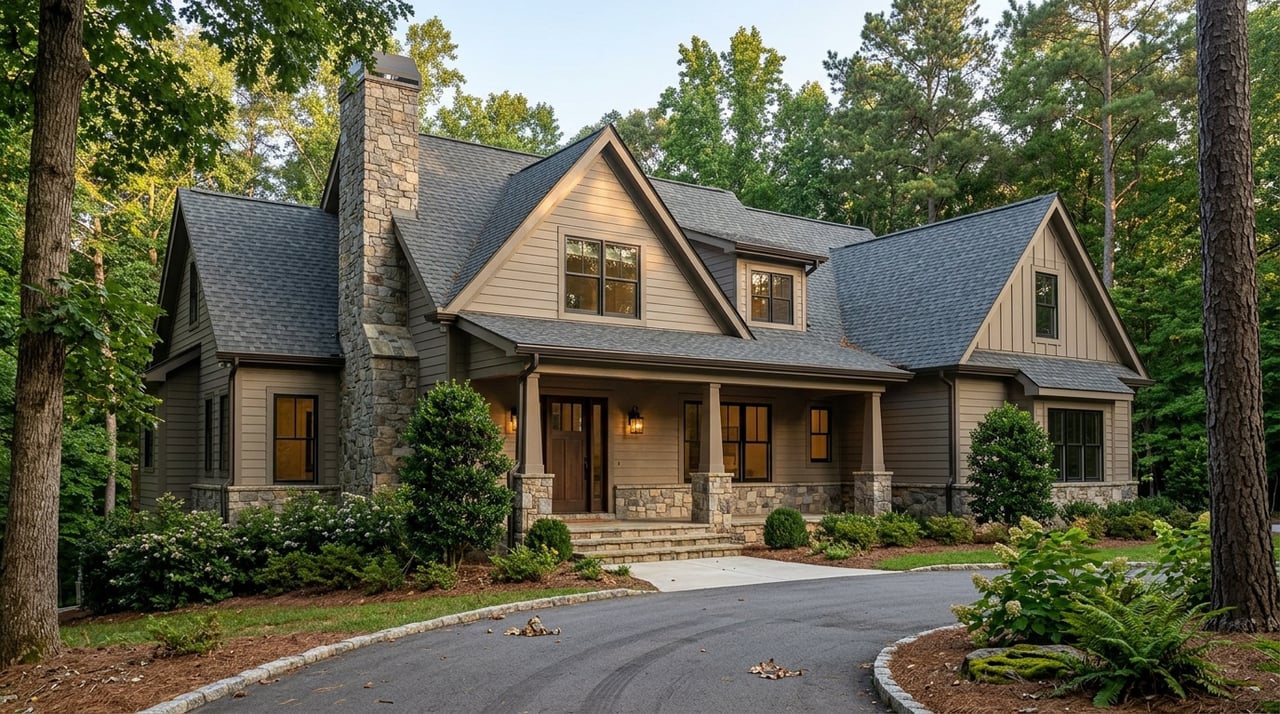
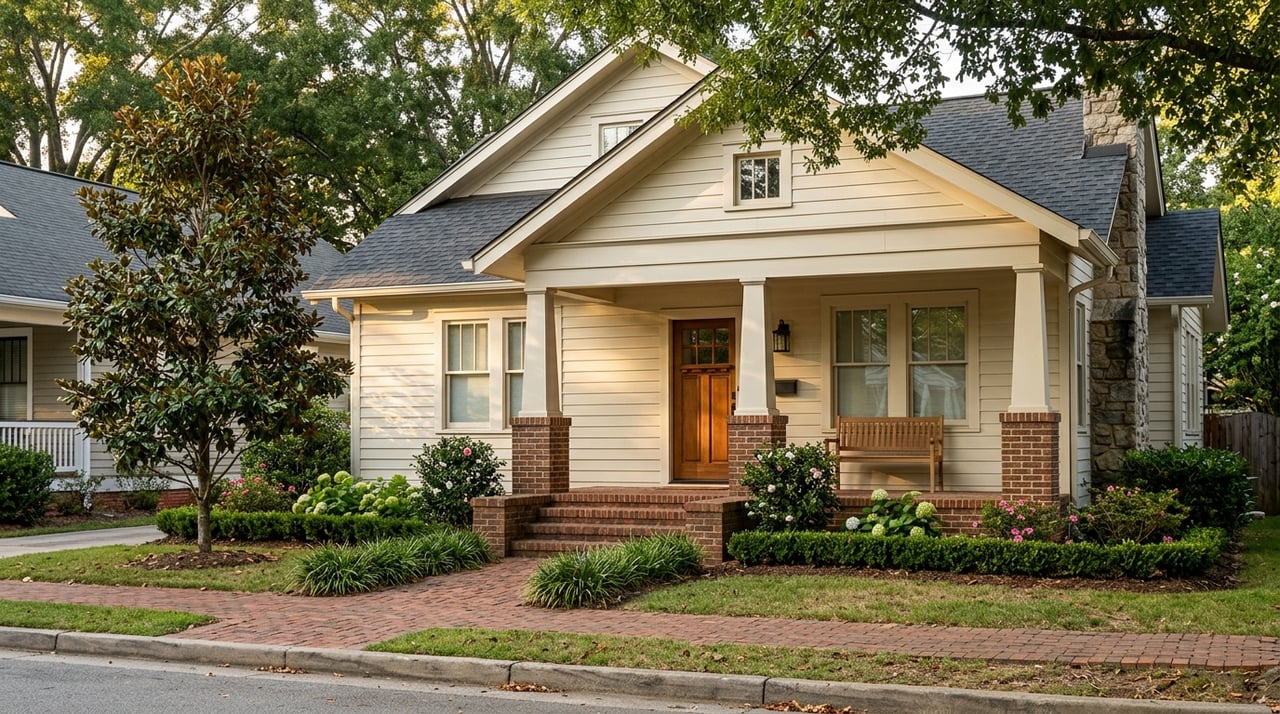
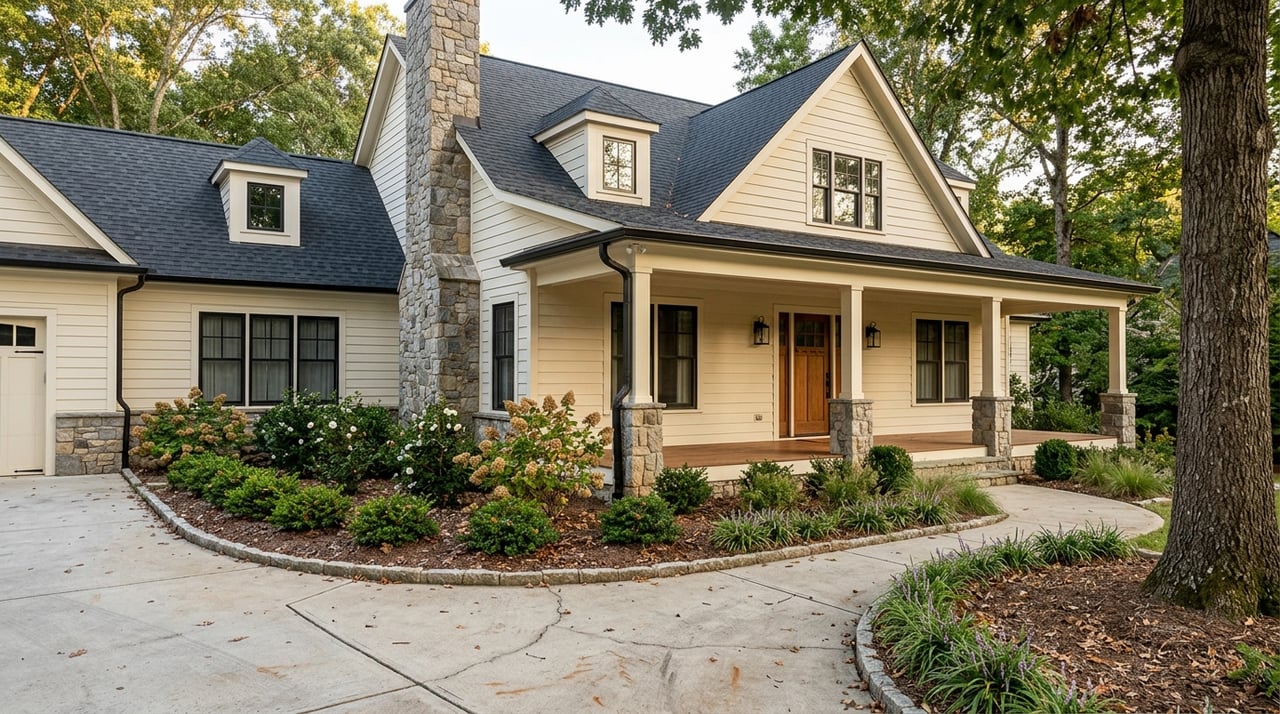
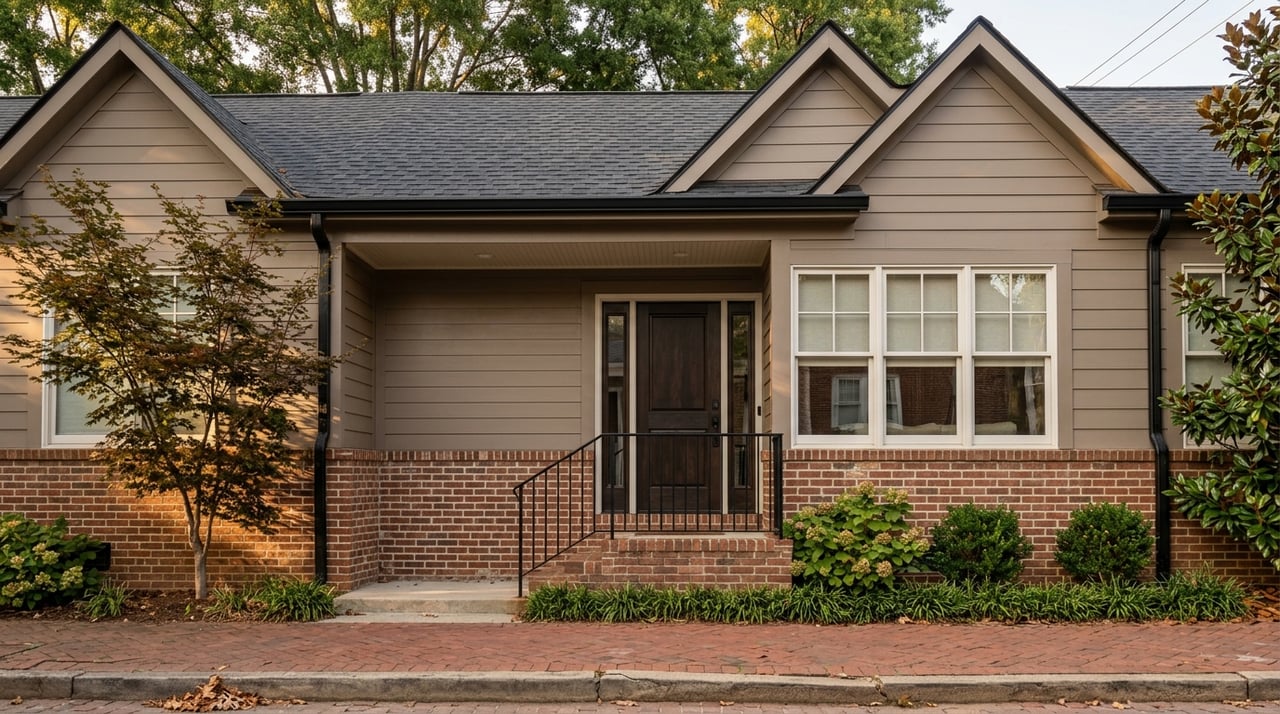
In practical terms, that suggests a blend of mixed-use and higher-density housing in or near the core, with townhomes and detached homes available in surrounding areas. The exact housing inventory can vary by block and by timing, but the zoning pattern points to more than one lifestyle option. You may find opportunities that align with a lock-and-leave routine, a lower-maintenance setup, or a more traditional detached-home feel nearby.
This is where a lifestyle-first approach matters. The best fit is not only about the home itself, but also about how often you want to walk to dinner, attend events, or reach trails and local businesses with less effort. In Downtown Woodstock, the surrounding housing choices connect directly to that everyday experience.
Why lifestyle fit matters here
A neighborhood like Downtown Woodstock works best when your home choice supports the way you actually want to spend your time. If you picture stepping out for coffee, enjoying local restaurants, catching live music, visiting the market, or taking your dog through the district, location inside or near the core may matter more than extra square footage farther out. That is a personal decision, but it is an important one.
For buyers and sellers alike, this is why community context matters. Downtown Woodstock offers a specific kind of convenience and energy that is easy to appreciate once you see how the pieces connect. Walkability, local businesses, arts, trails, and events all contribute to a lifestyle that feels active, social, and close to the heart of the city.
If you are considering a move in Woodstock, it helps to start with one simple question: what do you want daily life to look like? If walkable suburban convenience is part of that answer, Downtown Woodstock deserves a closer look. When you are ready to talk through neighborhoods and homes that fit your goals, connect with Janice Rountree.
FAQs
What is everyday life like in Downtown Woodstock’s walkable core?
- Everyday life in Downtown Woodstock centers on a compact, walkable district with restaurants, shops, arts spaces, public art, events, and nearby trails all within a relatively small area.
Is Downtown Woodstock walkable for daily errands and outings?
- Yes. Official visitor information says downtown Woodstock is walkable and bike-accessible, which can make coffee runs, dining, shopping, and local events easier to enjoy without driving every time.
Does Downtown Woodstock have public transportation?
- No. Visit Woodstock states there is no public transportation in the downtown area, though ride-share is available.
What kinds of restaurants and shops are in Downtown Woodstock?
- Official tourism materials describe more than 20 restaurants, two breweries, and a range of local retail including boutiques, a book shop, floral shops, home décor, olive oils, and specialty stores.
Are there parks and trails near Downtown Woodstock?
- Yes. Visitor materials highlight nearby outdoor spots such as Noonday Creek Trail, Olde Rope Mill Park, Rubes Creek Trail, and Woofstock Dog Park.
Is Downtown Woodstock dog-friendly for daily life?
- Yes. Visit Woodstock says Main Street businesses are dog-friendly, leashed dogs are welcome along Main Street, and Woofstock Dog Park connects to nearby trailheads.
What types of homes are found near Downtown Woodstock?
- City zoning suggests a mix of housing types near the core, including mixed-use residential areas, townhome-oriented districts, and detached-home areas farther from the center.