If you are drawn to places with real character, Downtown Canton deserves a closer look. This part of the city blends restored historic buildings, riverfront parks, local events, and older homes that reflect Canton’s early growth. If you are thinking about buying, selling, or simply getting to know the area better, this guide will help you understand what makes Downtown Canton’s historic heart so distinct. Let’s dive in.
Why Downtown Canton Stands Out
Downtown Canton is more than a collection of older buildings. The city describes it as the heart of the community and the center of social, economic, and civic activity. That matters when you are choosing where to live, because it speaks to how daily life is organized around the downtown core.
Canton has also put real effort into preserving and strengthening this area. Through its Main Street program, established in 2010, the city has guided downtown revitalization with a focus on historic preservation, design, promotion, and economic restructuring. According to the city, more than 300,000 square feet of historic buildings have been restored in the last two years.
That preservation work gives downtown a sense of continuity that many buyers value. Former schools, a textile mill, and the historic Jones Mercantile building are part of the story, helping Downtown Canton feel lived-in and layered rather than newly manufactured.
A River Town Setting
One of the most appealing parts of Canton is its setting. The city describes itself as a river town between Atlanta and the Blue Ridge Mountains, with the Etowah River flowing through the city. That natural feature gives downtown an added lifestyle dimension beyond its historic streets.
If you enjoy being outside, the river and nearby green spaces shape how the area feels day to day. You are not just near shops and civic buildings. You are also close to trails, park space, and water access that support a more active, connected routine.
Historic Landmarks That Shape Downtown
Downtown Canton’s historic identity is easy to see in its civic buildings and gathering spaces. City Hall is located in the former 1924 Canton High School building on Academy Street, which gives a practical city function a strong sense of place.
The Historic Canton Theatre is another landmark that anchors the downtown experience. The city says the theater dates to the early 20th century and was restored to its 1930s Art Deco appearance. Today, it remains active with live theatre, music, comedy, and film screenings.
For buyers and sellers, landmarks like these matter because they help define the feel of a neighborhood. They give downtown a recognizable center and create places where community life happens in a visible, ongoing way.
Parks And Everyday Amenities
Historic charm is only part of the picture. Downtown Canton also offers practical amenities that support everyday living.
Brown Park is a one-acre downtown park with a playground, field space, picnic tables, and a Free Little Library. It also hosts the Canton Farmers Market, where vendors offer farm produce, baked goods, flowers, and related items. That kind of regular activity can make downtown feel more useful and social, not just scenic.
Etowah River Park adds a larger outdoor option with an amphitheater, canoe launch, walking trail, bridge crossing, and open field space. Heritage Park includes a one-mile concrete trail that connects to the Etowah River Trail and Etowah River Park, making it easier to enjoy the riverfront and nearby green space.
For many buyers, these details shape daily life more than a brochure ever could. Easy access to parks, trails, and local events often plays a major role in whether a home feels like the right fit.
Dining And Gathering In The Core
A historic downtown works best when it is active, and Canton’s dining mix helps support that energy. The city describes an abundant selection of places to eat, drink, and grab a treat, including restaurants, coffee shops, bakeries, and breweries.
That variety adds flexibility to how you spend your time. You might meet friends for coffee, pick up dessert after dinner, or enjoy a casual night out without leaving the area. For homeowners nearby, that can make daily routines feel more convenient and more enjoyable.
Events That Bring Downtown To Life
Community events are a big part of what gives Downtown Canton its rhythm. First Fridays take place on the first Friday of each month from May through October, with live music, food, and extended shopping hours downtown.
The River Rock Concert Series adds another layer of activity at Etowah River Park every third Saturday from May through August. These recurring events help downtown feel like an active destination, not a district that only comes alive once in a while.
If lifestyle is a major part of your home search, this is worth paying attention to. A home near a lively downtown often offers more than square footage. It can give you easier access to events, public spaces, and spontaneous ways to enjoy where you live.
Arts And Culture In Downtown Canton
Downtown Canton is also shaped by a growing commitment to public art and cultural programming. The Canton Cultural Arts Commission and the city’s Public Art Master Plan reflect an effort to make streets, parks, events, and public sites more meaningful and visually engaging.
Current public art includes mural work such as Sunnyside at Village on Sunnyside and another mural at the Historic Doss Building. These additions contribute to the look and feel of downtown in a way that supports both preservation and creative energy.
The Historic Canton Theatre remains the clearest cultural landmark in the area. Because it has served as a community fixture for more than 100 years, it connects current arts programming with the city’s longer history.
What Historic Homes Look Like Here
If you are exploring homes around Downtown Canton, it helps to know that the historic housing stock has a distinct local character. According to the city’s residential design guidelines, the oldest homes are clustered near the Central Business District along East Marietta, East Main, Archer, and Jarvis Streets.
The guidelines also identify Cotton Mill Village housing on Riverdale Circle, Middle Street, Hill Street Circle, Hill Street, Academy Street, and Railroad Street. Most of the historic housing stock dates from 1900 to 1940, and the city notes that only a few antebellum or late-19th-century homes remain.
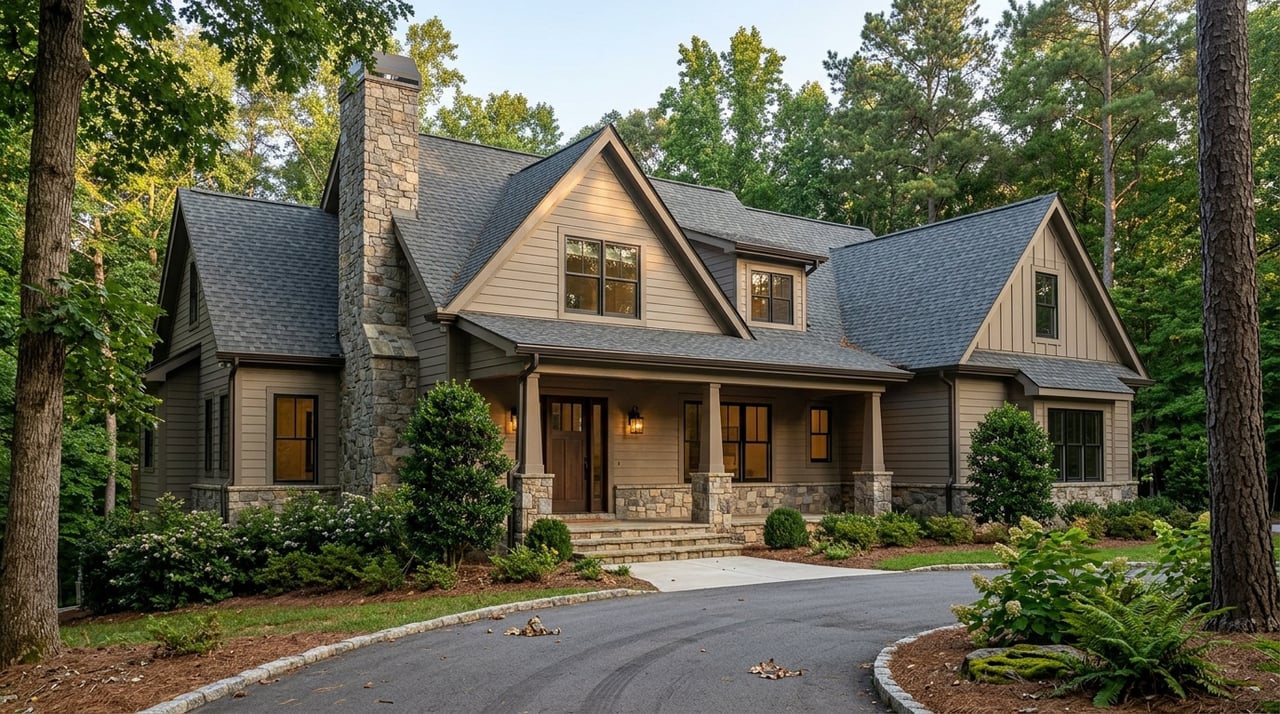
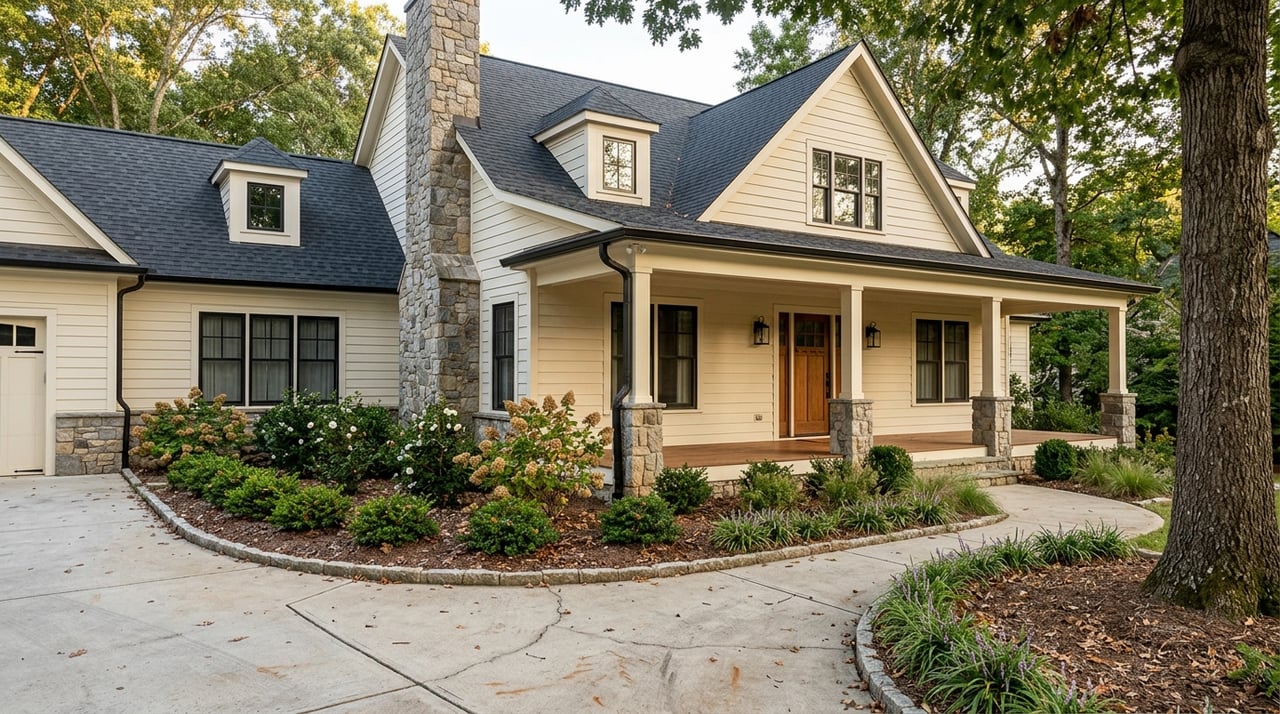
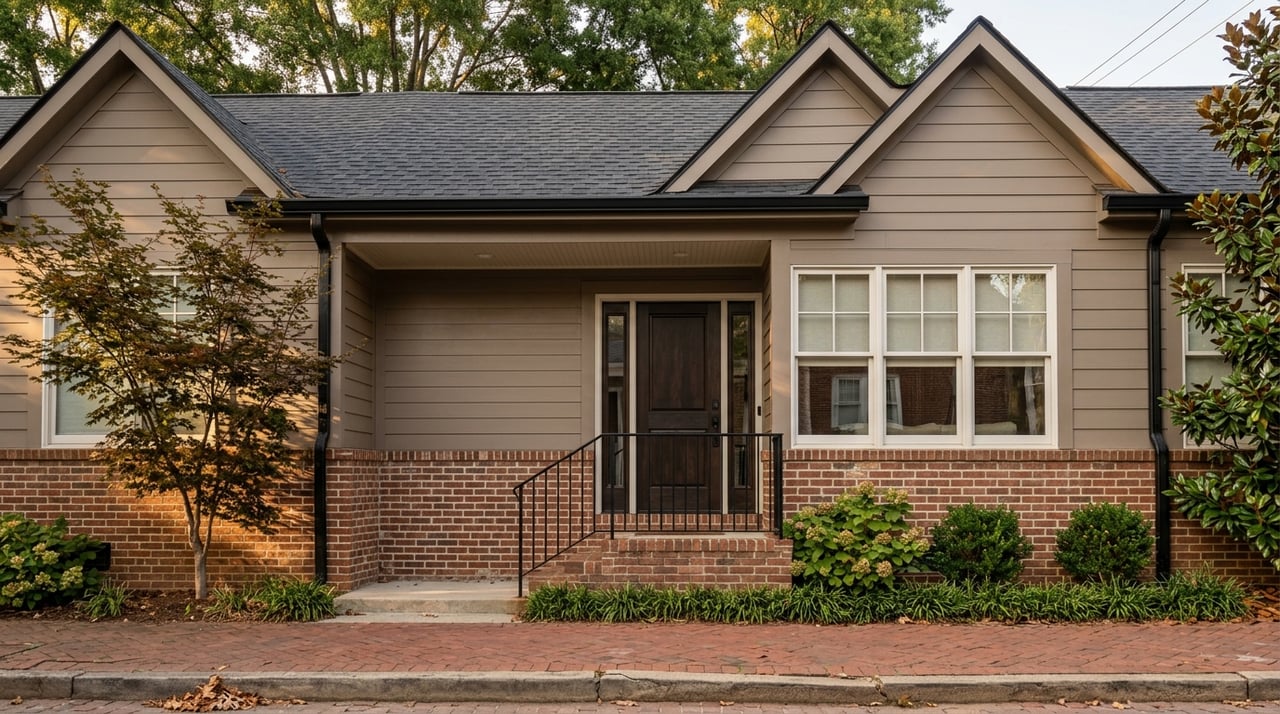
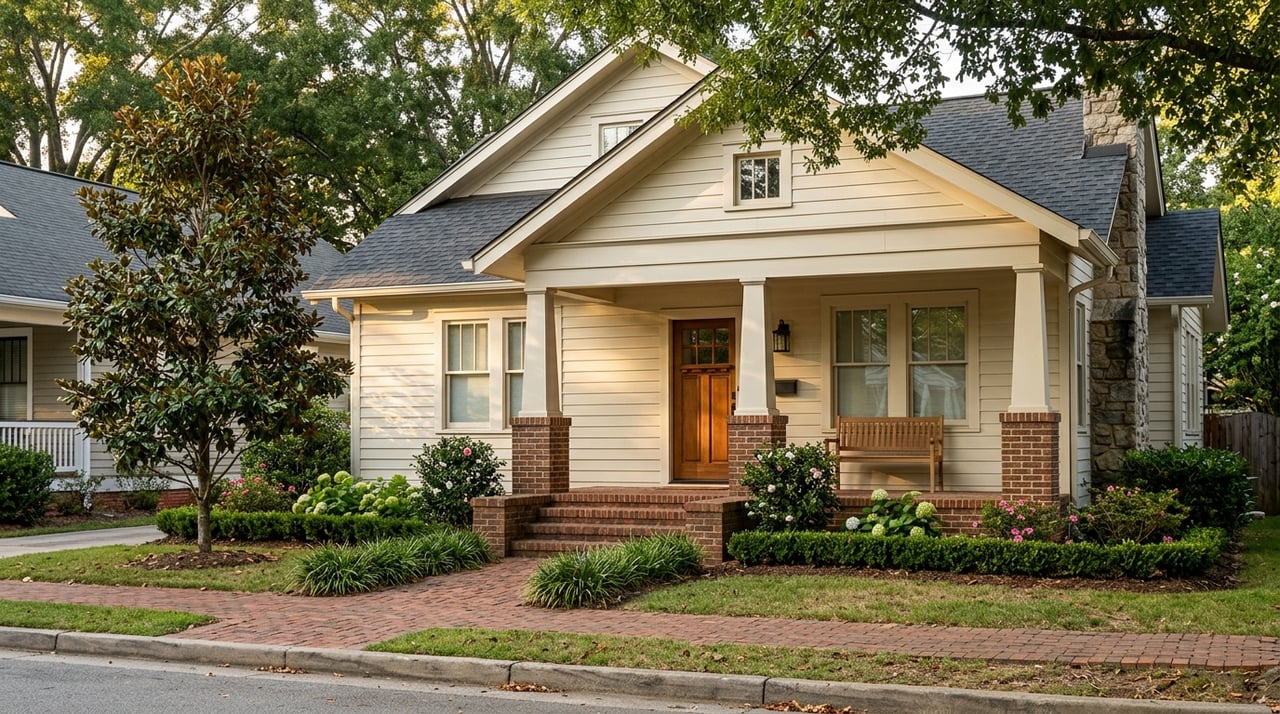
That means Downtown Canton’s historic homes are generally not defined by large estate properties. Instead, the area is known for older in-town homes, mill-village houses, and early-20th-century cottages and bungalows.
Common Home Types And Styles
The city’s guidelines list several traditional residential forms found in Canton, including:
- Saddlebag homes
- Pyramidal cottages
- Central hallway homes
- Gabled wing cottages
- Bungalows
- Side-gabled cottages
- English cottages
- I-houses
- Georgian houses
Colonial Revival and Craftsman are identified as common styles in the area, with examples on East Main and Jarvis Streets. For buyers who appreciate architecture, these homes often stand out through their proportions and handcrafted details rather than sheer size.
Details That Define Character
In Downtown Canton’s older homes, the small details matter. The city’s design guidelines emphasize porches, columns, trim, roof pitch, and window details as character-defining elements.
That is helpful to know if you are evaluating a home’s condition or thinking about future updates. Original features can be part of what gives a property its appeal, and they may also shape how renovation work is approached.
What Buyers Should Know About Renovation Rules
If you are considering a home within Canton’s historic district, renovation rules are important. In late 2024, Canton approved a historic district expansion, and the new rules took effect on January 1, 2025. The city says properties inside the district need Historic Preservation Commission review for future exterior work.
This does not mean change is impossible. It does mean exterior projects are reviewed with preservation in mind, especially when they affect visible historic character.
The city’s guidelines focus on preserving original porches, roof pitch, railings, columns, and decorative trim where possible. They also encourage repairing rather than replacing damaged features and making additions visually compatible with the existing home.
Compatible Updates Are Still Possible
One encouraging detail for homeowners is that the guidelines allow some contemporary materials when they remain visually compatible. The approval matrix also covers features such as porches, roofs, additions, and accessory dwellings.
That creates a framework for thoughtful change rather than freezing a home in time. If you love historic character but also want modern function, Downtown Canton may still offer workable options, especially when you go in with clear expectations.
Preservation And Housing Trends To Watch
Canton’s preservation efforts are not just symbolic. The city’s Building & Safety Services department says its permitting and inspection process supports the conservation, rehabilitation, and reuse of existing buildings.
The city’s housing efforts also point toward practical ways to expand options while respecting neighborhood context. Canton is pursuing minor rehabilitation, down payment assistance, and four pre-approved ADU plans permitted by right in single-family zoning districts. The first ADU project using the Elmwood plan was completed in Mill Village #2 in spring 2025.
Recent recognition reinforces that preservation is a real priority here. Canton received the Georgia Trust for Historic Preservation’s 2026 Preservation Service Award, which cited nearly $29 million invested in six major preservation projects since 2018. The city also noted that its 2025 district expansion encompassed the full National Register Historic District, including a mill-housing neighborhood and a historically significant Black community.
What This Means For Buyers And Sellers
For buyers, Downtown Canton offers a mix that can be hard to find. You have a walkable historic core, riverfront recreation, recurring events, public art, and a housing stock shaped by older cottages, bungalows, and mill-village homes.
For sellers, the area’s identity can be a meaningful advantage when a home is marketed well. Buyers are often looking for more than bed and bath counts. They want to understand how a property connects to lifestyle, architecture, and the feel of the surrounding area.
That is especially true in Downtown Canton, where preservation, setting, and community programming all shape value in ways that go beyond the house itself. Understanding that bigger picture can help you make smarter decisions whether you are preparing to list or trying to narrow your search.
Why Lifestyle Fit Matters Here
Downtown Canton is a good example of why real estate is never just about the structure. The setting, parks, local events, civic landmarks, and historic housing patterns all influence what it feels like to live here.
If you are drawn to places with visible history and an active downtown, this part of Canton may be worth serious consideration. And if you own a home here, those same qualities can help tell a stronger story when it is time to sell.
If you want help exploring Downtown Canton through a lifestyle-first lens, Janice Rountree can help you evaluate the homes, streets, and everyday experience that make this area unique.
FAQs
What makes Downtown Canton historic?
- Downtown Canton includes restored historic buildings, long-standing civic landmarks, and housing that largely dates from 1900 to 1940, with preservation efforts guided by the city’s Main Street program and historic district rules.
What kinds of homes are near Downtown Canton?
- Homes near Downtown Canton include older in-town cottages, bungalows, mill-village homes, and other early-20th-century residential forms such as side-gabled cottages, central hallway homes, and Craftsman or Colonial Revival styles.
What streets have some of Canton’s oldest homes?
- According to the city’s residential design guidelines, some of the oldest homes are clustered near the Central Business District along East Marietta, East Main, Archer, and Jarvis Streets.
What parks are in or near Downtown Canton?
- Brown Park, Etowah River Park, and Heritage Park are key nearby parks, offering features such as a playground, farmers market space, trails, river access, a canoe launch, open field space, and an amphitheater.
What should buyers know about Canton historic district rules?
- Buyers should know that properties within the expanded historic district need Historic Preservation Commission review for future exterior work, and the city’s guidelines emphasize preserving original design features and making additions visually compatible.
What events happen in Downtown Canton?
- Downtown Canton hosts recurring events including First Fridays from May through October and the River Rock Concert Series at Etowah River Park from May through August.