If you are thinking about selling in Woodstock, confidence does not come from guessing your price and hoping for the best. It comes from knowing how today’s market is behaving, preparing your home with intention, and launching with a strategy that fits your property and your timing. In this guide, you will learn the key steps that can help you list with clarity and make smart decisions from day one. Let’s dive in.
Understand Woodstock’s Market First
Woodstock’s housing market is active, but it is not moving at the same pace for every home. Recent public data places local values and sale prices in the mid-$400,000s, with homes generally going pending or selling in a little over a month to about seven weeks, depending on the source and area.
That matters because this is not a market where every listing flies off the shelf. Cherokee County’s recent sale-to-list ratio of 98.7% shows that buyers are still paying close to asking for well-positioned homes, but 22.2% of listings also had price drops. The takeaway is simple: pricing and presentation still matter a lot.
Price for the First Four Weeks
Your first few weeks on the market are especially important. Realtor.com’s 2026 seller research found that the first four weeks are the make-or-break window, and homes that closed within about four weeks of listing often saw the best sale-to-list outcomes.
That same research points to a practical pricing rule. Start with recent sold comparables in your own area and set your asking price within that range instead of testing an aspirational number. In a market like Woodstock, overpricing can cost you valuable momentum and lead to a reduction later.
Why realistic pricing works
When buyers see a home hit the market, they compare it quickly against nearby options. If your home looks well-priced for its condition, location, and features, you are more likely to attract early showings and stronger interest.
If it looks overpriced, buyers may wait, skip it, or expect a future price cut. That is a risky path in a market where homes can still sell close to asking when they are positioned correctly from the start.
Take a Neighborhood-Specific Approach
Not every part of Woodstock is behaving the same way. Recent market snapshots show 30188 acting more like a seller’s market, while 30189 looks more balanced or somewhat competitive, with homes selling closer to asking and on a different timeline.
That is why broad citywide averages only tell part of the story. Your pricing, marketing, and timing strategy should reflect your specific ZIP code, neighborhood pattern, and buyer pool, not just a headline number for Woodstock as a whole.
Look beyond square footage
Buyers are not only comparing bedroom counts and lot size. In Woodstock, convenience and lifestyle can also shape value, especially for homes near downtown, sidewalks, parks, or trail access.
The city’s Downtown District is designed to support a more pedestrian-oriented setting, and Woodstock’s Greenprints trail system adds another layer to the lifestyle story. If your home offers easy access to everyday destinations or outdoor recreation, that should be part of how your listing is presented.
Prep Your Home With Intention
Before you list, focus on updates that improve how your home looks, feels, and photographs. You do not always need a major remodel to make a meaningful difference.
National 2025 Cost vs. Value data supports a lighter-touch approach. Projects like garage door replacement, steel entry door replacement, siding improvements, manufactured stone veneer, and even a minor kitchen remodel showed strong resale potential on average. These are not guarantees, but they are useful signs that selective improvements often outperform big, expensive overhauls.
Best pre-listing priorities
If you want to keep your prep practical, start here:
- Freshen paint where needed
- Repair obvious wear and tear
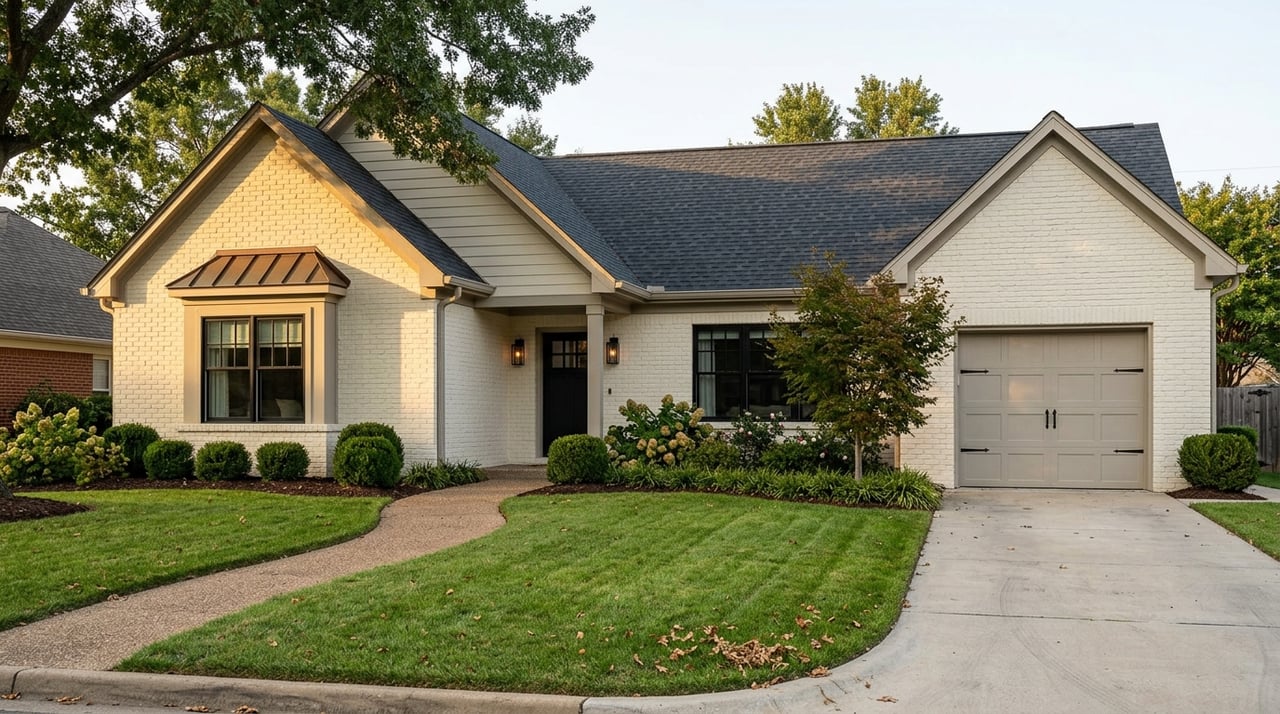
- Improve curb appeal at the front entry
- Update dated hardware or lighting if it is easy to do
- Make sure the home feels bright, clean, and well cared for
Small details can shape a buyer’s first impression. The goal is not to make your home look generic. It is to make it feel move-in ready and easy to imagine living in.
Use Staging to Help Buyers Connect
Staging can make a real difference in how buyers respond to your home. According to NAR’s 2025 staging report, 83% of buyers’ agents said staging made it easier for buyers to visualize a property as their future home.
That same report found that 49% of sellers’ agents said staging reduced time on market. It also showed that 29% of agents saw staging increase the dollar value offered by 1% to 10%.
What staging should accomplish
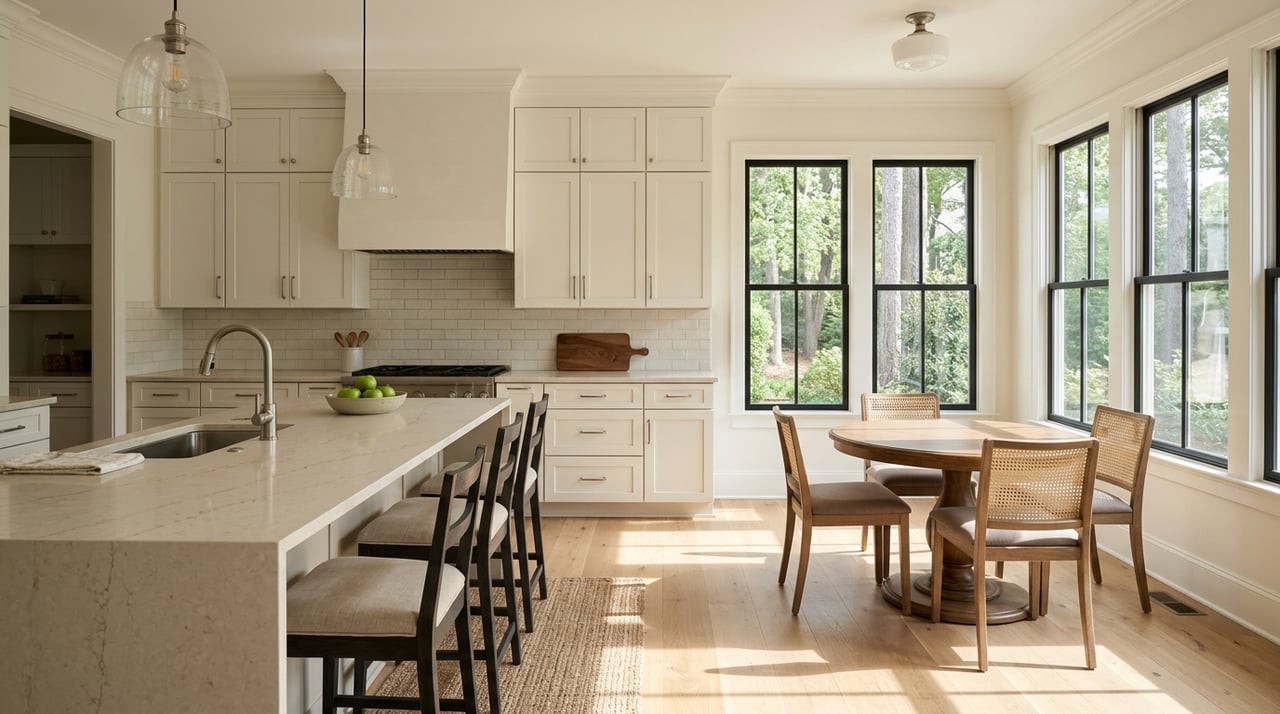
Good staging helps buyers focus on the home itself instead of your belongings. It can also help define spaces clearly, improve flow, and make photos look more polished online.
In Woodstock, where many buyers are balancing lifestyle, commute, and daily convenience, staging should support the story of how the home lives. A breakfast nook, a flexible office, a covered porch, or easy indoor-outdoor flow can all become more meaningful when presented well.
Prioritize Your Online Presentation
Most buyers start their search online, so your digital presentation matters as much as the in-person showing. NAR reports that 52% of buyers found the home they purchased online, and 81% said listing photos were the most useful feature.
Zillow’s 2025 buyer research adds another important detail. Floor plans ranked as the most important listing feature for 33% of prospective buyers, followed by high-resolution photos at 26% and 3D or virtual tours at 20%.
Must-have listing assets
To compete well, your listing should include:
- High-quality professional photos
- A clear floor plan when possible
- Strong room-to-room flow in the image sequence
- Marketing remarks that highlight lifestyle and convenience
- Visual emphasis on standout features such as porches, yards, updated kitchens, or trail and downtown access
This is where thoughtful marketing can set your home apart. Buyers often decide whether a home is worth seeing in person within minutes of viewing it online.
Time Your Launch Thoughtfully
Seasonal timing can help, but only if your home is ready. Realtor.com’s 2026 research identified the week of April 12 through 18 as the best week to list nationally, and Redfin’s 2026 analysis also pointed to late March and April as strong selling windows.
At the same time, 53% of sellers took one month or less to get ready. That means preparation should start early if you want flexibility around your launch date.
Readiness matters more than chasing a perfect week
The best time to list your home is when the market is favorable and your home is fully prepared. If you rush to market with incomplete prep, weak photos, or unresolved maintenance issues, you may give up the very advantage good timing was supposed to create.
A calm, organized launch usually performs better than a hurried one. That includes pricing, repairs, staging, photography, and a plan for showings from the start.
Set Expectations for Today’s Buyers
Woodstock buyers are still active, but they are also value-conscious. They notice condition, compare options carefully, and respond best when a home feels aligned with its price.
That is why sellers benefit from a strategy that balances market data with the property’s lifestyle appeal. A home near downtown, major roads, parks, or trails may attract attention for reasons that go beyond square footage, especially when those benefits are presented clearly.
Work With a Strategy, Not Just a Listing Date
Selling with confidence means looking at the full picture. You need a pricing strategy grounded in local comparables, a presentation plan that supports your home’s best features, and marketing that reflects how buyers actually search today.
It also helps to work with someone who understands that your move is about more than one transaction. Whether you are selling to move up, simplify, or make a lifestyle change, your listing strategy should support what you want life to look like next.
If you are preparing to sell in Woodstock and want a thoughtful, locally informed plan, connect with Janice Rountree. She can help you position your home with care, market insight, and a lifestyle-first approach.
FAQs
How should you price a home in Woodstock, GA?
- Start with recent sold comparables in your specific area of Woodstock and price within that range. Current market data suggests realistic pricing is important because well-positioned homes can sell close to asking, while overpriced homes may need reductions.
What makes the first weeks of a Woodstock listing so important?
- Realtor.com’s 2026 seller research says the first four weeks are the key window for performance. Homes that gain strong interest early are often better positioned for stronger sale-to-list outcomes.
What home updates are worth doing before listing in Woodstock?
- Light, selective updates often make the most sense. National 2025 Cost vs. Value data supports practical projects like entry door updates, garage door replacement, siding improvements, and minor kitchen improvements rather than major remodels.
Does staging help when selling a home in Woodstock?
- Yes. NAR’s 2025 staging report found that staging helps buyers visualize the home, can reduce time on market, and may improve offers in some cases.
What listing photos matter most to Woodstock buyers?
- High-resolution photos are essential, and floor plans are especially valuable. Zillow’s 2025 buyer research found that floor plans ranked as the most important listing feature for many prospective buyers.
Is every Woodstock neighborhood moving at the same pace?
- No. Recent data shows different conditions in areas like 30188 and 30189, which is why your pricing and marketing plan should reflect your specific neighborhood and buyer pool.